Do You Need to Dry Your Car After Washing It?
Washing your car enhances its appearance, but drying it finishes the job. Skipping this step and letting the car air-dry results in visible marks and long-term surface damage. For a clean, polished finish, drying is essential.
What Happens When You Let a Car Air Dry
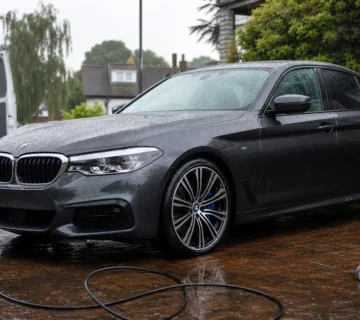
Water rarely evaporates cleanly; instead, it leaves behind mineral deposits, dust particles, and chemical residue. These elements form what drivers recognise as water spots—dull patches or white rings on the paint that mar the finish.
Hard water makes the problem worse. It contains high levels of calcium and magnesium. When water dries, these minerals stay on the surface. Over time, they can bond with the paint. This leads to etching, which damages the clear coat.
When sunlight is involved, this process accelerates. Heat causes water to evaporate quickly, trapping minerals on the surface before they can be removed. The end result? A patchy finish that looks neglected, even after a wash.
Why Proper Drying Matters
By drying your vehicle, you protect its finish. You remove water before it has a chance to leave marks and also prevent streaks on glass and chrome.
A properly dried car looks sharper. The paint reflects light evenly for a glossy surface.
Drying also reduces the risk of corrosion. Water can collect in crevices, around trim, and near seals. If left there, rust may develop over time, threatening your car’s structure. Removing moisture helps prevent these issues.
Best Tools for Drying Your Car
The right tools make a noticeable difference. Using old towels or rough fabrics may seem convenient, but these can scratch the paint.
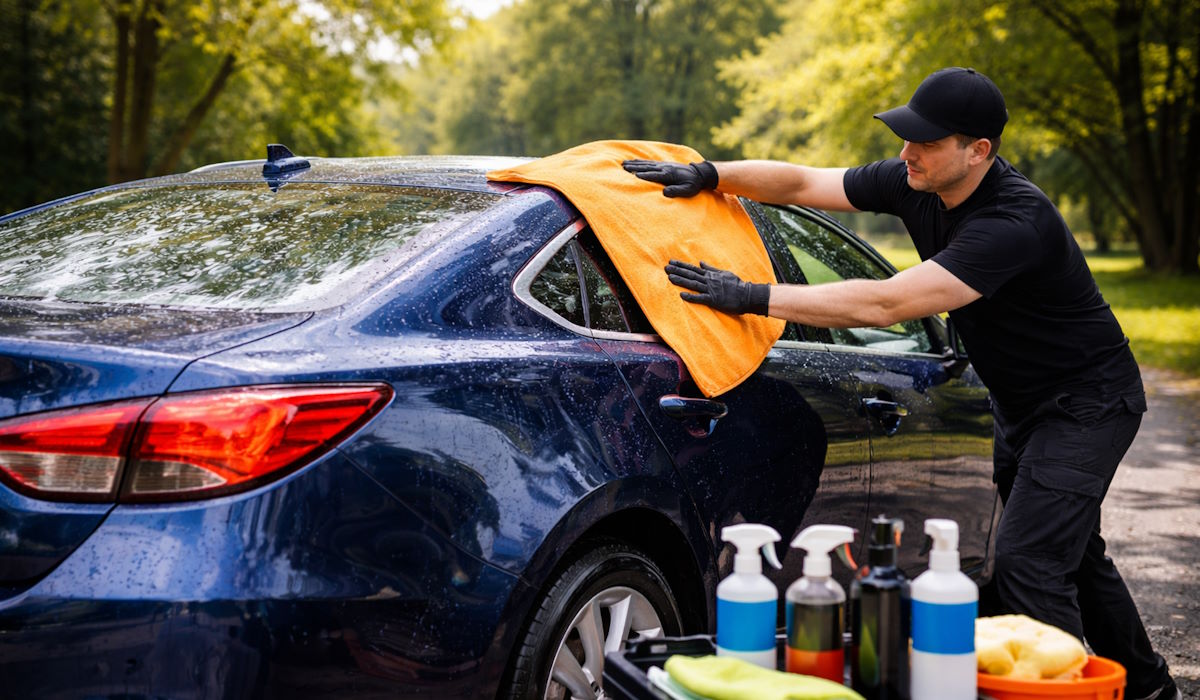
Microfibre drying towels are ideal. They absorb large amounts of water while feeling soft against the surface, reducing friction and lowering the risk of swirl marks.
A car drying blower is useful for those wanting to avoid surface contact. It blows water out of tight spots like mirrors, grilles, and badges. This stops hidden drips and minimises the risk of scratches.
A chamois cloth is another option that some drivers prefer. It works well, but only if it’s properly cared for. Dirt particles on the cloth can damage the paint if not removed.
How to Dry Your Car Properly
Act immediately after rinsing. Every moment you wait gives water an opportunity to stain or damage your paint. Start drying right away to ensure flawless results.
Work from the top down: start with the roof, then move on to the windows, bonnet, and sides. This approach prevents water from dripping onto already dried areas and helps you stay efficient.
Apply only light pressure as you dry. Let the towel absorb the water, rather than dragging it across the paint. On sensitive surfaces, pat drying is especially effective.
Wring out your towel frequently. A saturated towel loses effectiveness and may leave streaks behind if not refreshed.
Open car doors and dry along the edges. Pay special attention to mirrors, handles, and trim. These areas often trap water and are easily ignored.
Common Mistakes to Avoid
Never use household towels. They feel rough and can scratch the clear coat.
Do not dry in direct sunlight. Heat causes water to evaporate too fast. This leaves marks that you can’t wipe away.
Avoid using circular motions when drying. Instead, use straight lines to reduce the chance of creating swirl marks.
Don’t skip the wheels and tyres. Water spots can also form on alloy surfaces, potentially damaging their finish over time.
When You Might Skip Drying
In rare cases, you may use a touchless drying system at a professional facility. These systems use filtered air to remove water. They reduce contact with the paint.
However, even then, small droplets often remain. A quick manual dry still improves the final result.
The Final Word
Drying your car completes the wash and serves several purposes: it prevents water spots, protects the paintwork, and maintains a clean finish. Skipping this step results in visible flaws and gradual damage.
A few extra minutes with the right tools keep your car looking sharp. It also protects your investment. For anyone who values appearance and care, drying is not an extra step. It is a required one.