Can You Valet a Car in the Rain?
Rain and car valeting do not mix well, but that does not mean the job is impossible. It means you need to understand what you can do, what you should avoid, and how professional valeters handle wet conditions. The short answer is yes, you can valet a car in the rain, but with clear limitations and specific adjustments to your process.
The Honest Reality of Valeting in Wet Weather
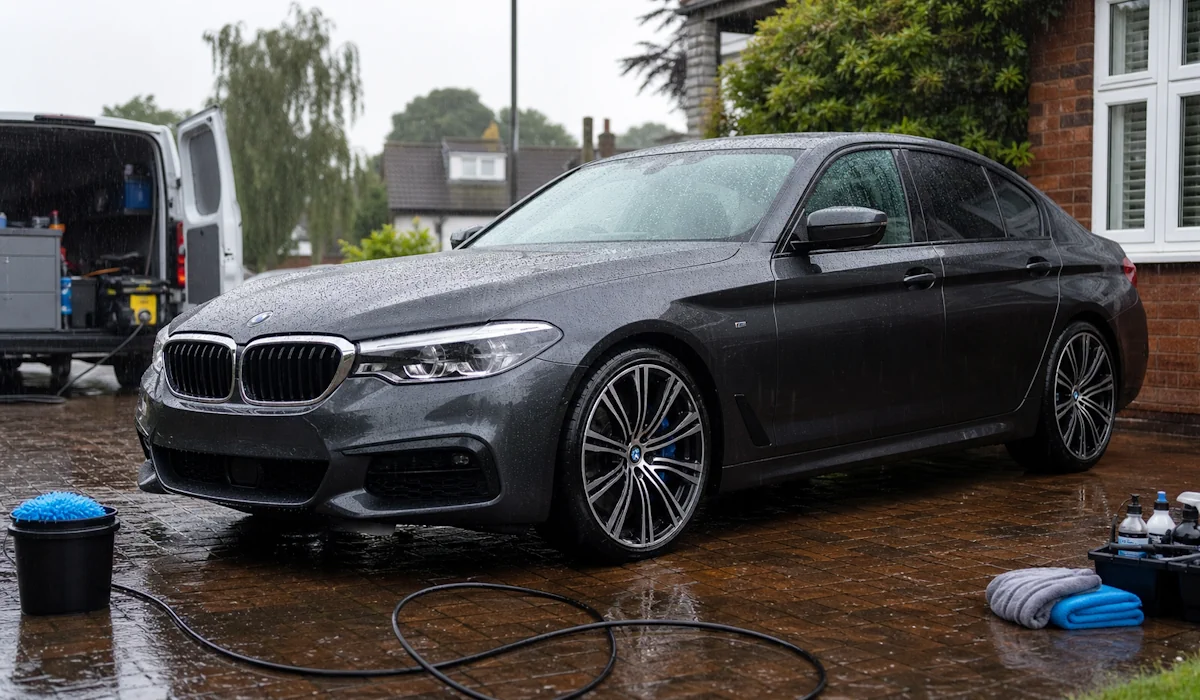
A full valet in heavy rain produces poor results. Water constantly runs over panels you have just cleaned, wax will not bond properly to a wet surface, and drying becomes a losing battle. Light drizzle is a different matter. With the right products and a sensible sequence, you can complete a serviceable valet. Most professional mobile valeters carry canopies or work under cover precisely because they know rain compromises quality.
If you have a garage, a carport, or even a large open-sided shelter, use it. Working indoors or under cover completely changes what is achievable. If you have no shelter at all and it is raining steadily, postpone the full exterior wax and polish work. You can still complete a thorough interior valet regardless of the weather outside.
What You Can Do in the Rain
The interior valet carries on perfectly well whatever the weather. Vacuuming seats, carpets, and boot liners, cleaning the dashboard, wiping down door cards, treating leather, cleaning glass from the inside, and deodorising the cabin all happen entirely independent of rain. A full interior detail in the rain is completely practical and produces excellent results.
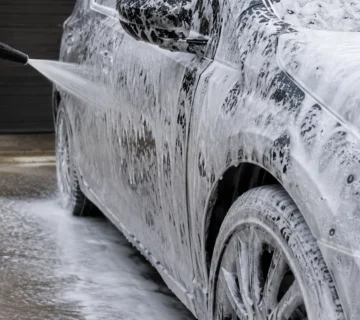
For the exterior, a snow foam pre-wash and a contact wash work fine in light rain. You are using large volumes of water anyway. The issue arises later in the process. Rinsing, decontaminating, and washing the bodywork can all continue. The problems start at the drying, polishing, and wax application stages.
Where Rain Causes Real Problems
Paint correction and polishing require a clean, dry surface. Polish applied to a wet panel becomes diluted, smears unpredictably, and will not cut or refine the paint as intended. Machine polishing in the rain is a waste of product and time. Skip it entirely and wait for dry conditions.
Wax and paint sealants need dry, cool paintwork to bond correctly. A traditional carnauba wax applied in the rain simply washes straight off before it can cure. Spray sealants suffer similarly. Even ceramic coatings require dry conditions during application and a curing window of at least twelve hours without rain contact. Attempting these in wet weather wastes expensive product and achieves nothing.
Drying the car mid-valet becomes pointless in steady rain. You dry one panel, and the next is wet again within seconds. Use a water blade to remove water quickly, then work panel by panel with a large, high-quality twisted loop microfibre drying towel. Dry each section and move on fast. In light rain, this approach works. In heavy rain, you will not win.
Spray Waxes and Quick Detailers as a Wet-Weather Workaround
Several manufacturers produce wet-application spray waxes specifically designed for damp paintwork. Those products allow protection even when the car is not fully dry. They do not replace a properly cured sealant, but they add a layer of hydrophobic protection and leave the paint looking clean and glossy. Apply them with a damp microfibre cloth, buff lightly, and the result holds up well in typical British weather.
Tyre dressing and trim dressing products apply fine in light rain as long as you work quickly before water dilutes them. Alloy wheel cleaning works perfectly in the rain. The water helps rinse away loosened brake dust and road grime efficiently.
Glass Cleaning in Rain
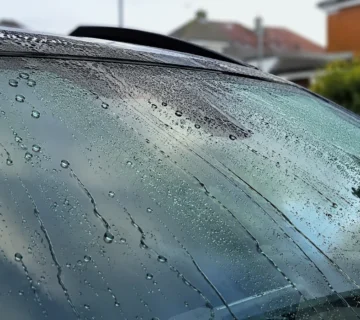
Cleaning exterior glass in the rain is counterproductive. Use an interior glass cleaner on the inside surfaces instead, and leave exterior glass until the rain stops. A good hydrophobic glass treatment applied in dry conditions beforehand means rainwater beads and clears quickly anyway, reducing the urgency of exterior glass work during a wet valet.
What Professional Mobile Valeters Do
Experienced mobile valeters always check forecasts before booking exterior correction or coating work. They carry portable canopies that deploy in minutes and shelter the vehicle during sensitive stages. For standard maintenance valet bookings, most will continue in light rain, focusing on the interior, wheel arches, tyres, and a maintenance wash. They defer wax and polish work or rebook that stage for a dry day.
If you book a mobile valet and heavy rain arrives on the day, expect an honest professional to explain what they can and cannot deliver to their usual standard. Anyone who charges full price for a wax and polish they applied in a downpour has not done the job properly.
A Sensible Wet-Weather Valeting Sequence
Start inside. Complete the full interior detail from start to finish. Move to the exterior and do the pre-rinse, snow foam, contact wash, and rinse stages. Clean the wheels, arches, and door shuts. Apply a wet-application spray wax if you have one. Dry as thoroughly as conditions allow. Use a water blade with drying towels. Dress the tyres and exterior trim. Leave polishing, machine correction, paste wax, sealant, and coating work for a dry day.
This sequence produces a clean, presentable car even in poor weather, and protects the stages that genuinely require dry conditions.
The Bottom Line
You can absolutely valet a car in the rain if you work intelligently. Keep the chemistry-sensitive stages for dry days, concentrate on the interior and mechanical cleaning in wet weather, and use wet-application protection products where appropriate. Understanding what rain ruins and what it simply inconveniences makes you a far more effective detailer in a country where dry days are never guaranteed.