Should You Detail Your Car Before Returning a Lease?
Returning a leased vehicle demands attention to its condition. Lease agreements set strict standards that inspectors check for wear, damage, and cleanliness. While a poorly presented car often leads to added charges, a well-prepared vehicle reduces that risk and improves the final assessment.
What Lease Inspections Focus On
Lease companies assess both exterior and interior conditions, looking for paint defects, scratches, dents, and wheel damage. They also inspect upholstery, carpets, and trim, ensuring all areas meet the expected standards.
Minor wear may pass, but excessive damage does not. Stains, odours, and visible neglect raise concerns, and even small issues can lead to penalties if their extent exceeds acceptable limits.
Cleanliness plays a direct role. A dirty car hides defects. Inspectors often assume poor care when they see grime or clutter. Presentation influences judgment from the start.
Why Detailing Changes the Outcome
Detailing prepares the vehicle for inspection. It improves the car’s appearance and reveals its true condition. This step removes dirt, corrects minor flaws, and restores surfaces.
Proper detailing includes paint cleaning, light polishing, and protective finishing. These steps reduce the visibility of swirl marks and light scratches. The paint looks smoother and more consistent.
Interior detailing removes stains, dust, and odours. Clean upholstery and fresh surfaces create a strong impression and make the car feel maintained, not neglected.
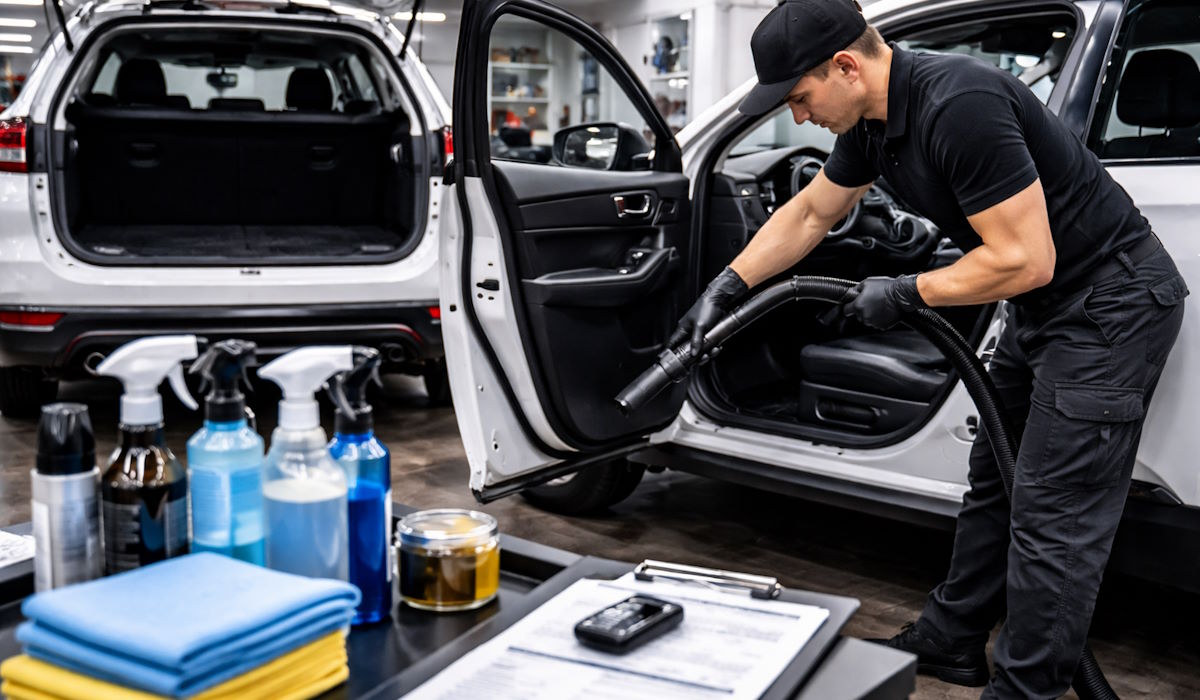
Many drivers turn to professional car detailing before returning their leased cars. This service provides a higher level of care than standard cleaning. It focuses on both presentation and correction.
Reducing End-of-Lease Charges
Lease return fees often stem from cosmetic issues. Scratches, stained seats, and worn trim can all lead to additional costs. Detailing addresses many of these concerns.
Paint correction reduces the appearance of minor scratches. Deep cleaning removes stains that might otherwise lead to replacement charges. Wheel cleaning improves the look of alloys, which inspectors often scrutinise.
While detailing cannot fix major damage, it can eliminate smaller issues that trigger penalties. This often saves more than the cost of the service itself.
Exterior Preparation That Matters
The exterior creates the first impression. Detailers focus on restoring clarity and shine.
They start with a full decontamination wash. This removes dirt, tar, and embedded particles. A clay bar smooths the paint surface. Machine polishing then refines the finish and reduces visible defects.
They clean wheels, tyres, and trims with care. Clean alloys and properly dressed tyres improve the overall look. Even small details like polished exhaust tips add to the final presentation.
Glass receives streak-free treatment; clear windows signal attention to detail and enhance the overall appearance.
Interior Condition Carries Weight
Inspectors spend time inside the car, and a clean cabin suggests proper care throughout the lease period.
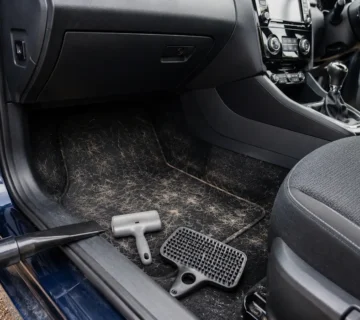
Detailers vacuum every surface. They clean carpets, mats, and seats using extraction or steam methods. These remove deep-set dirt and stains.
Leather surfaces receive conditioning. This restores softness and reduces visible wear. Plastic and vinyl trims get cleaned and finished with a natural look.
Odour removal plays a key role. Lingering smells from food, pets, or smoke often lead to deductions. Neutralising these ensures a fresh interior.
Timing the Detail Before Return
Timing matters. Detail the car close to the return date. This keeps the vehicle in peak condition during inspection.
Avoid detailing too early. Daily use can reintroduce dirt and wear. Final preparation within a few days of the return ensures the best results.
After detailing, limit use if possible. Keep the car clean and protected until inspection.
When Detailing May Not Be Enough
Detailing improves presentation but does not repair structural damage. Deep scratches, dents, or mechanical issues still require repair.
In such cases, combining detailing with minor repairs often delivers the best outcome. Address visible damage first, then complete a full detail.
The Final Impression
A clean, well-presented car stands out during inspection. It reflects care and attention throughout the lease period.
Detailing sharpens that impression. It removes distractions, highlights the car’s condition, and reduces the chance of added fees.
For most lease returns, make detailing a priority. It prepares the vehicle for scrutiny and supports a smoother handover.