Why Regular Van Valeting Matters for Tradespeople
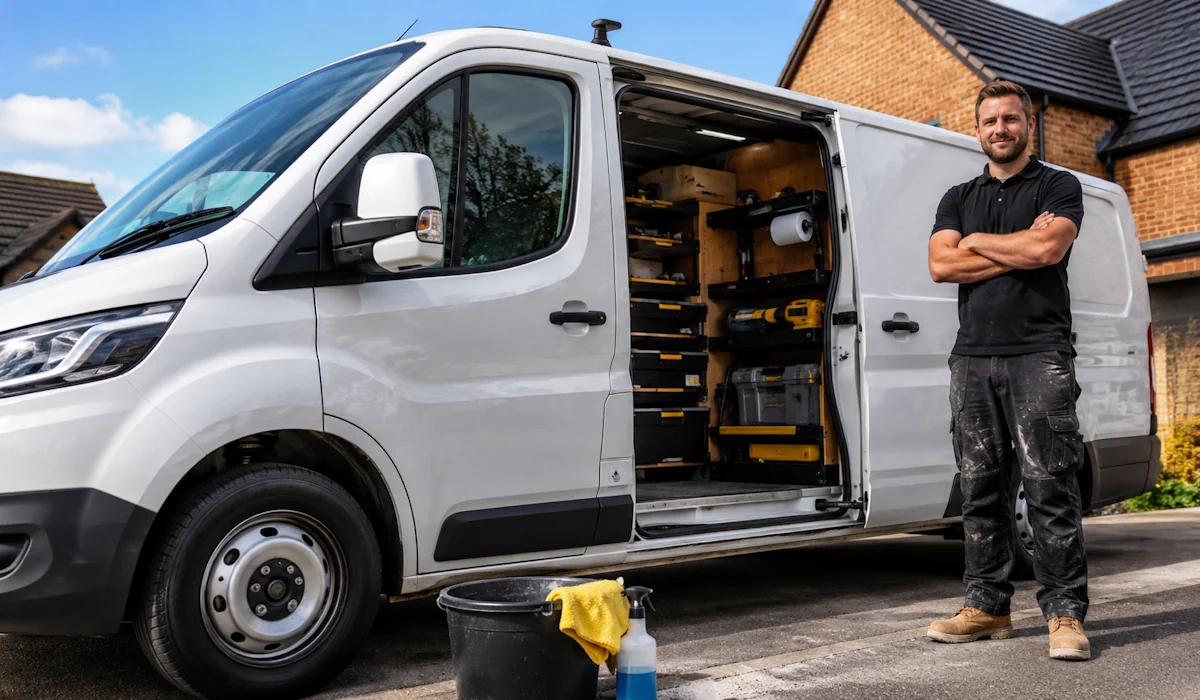
A van does more than carry tools. For most tradespeople, it acts as a mobile workshop, storage unit, advert and first impression. Customers see it before they meet the person driving it. They notice the paintwork, wheels, cab, load area and even the smell when the doors open. A clean van suggests care, order and pride. A dirty van suggests the opposite.
Regular van valeting keeps a working vehicle presentable, practical and easier to live with. Builders, plumbers, electricians, decorators, landscapers, roofers, carpenters, mobile mechanics and delivery contractors all rely on their vans every day. Mud, dust, sawdust, plaster, food wrappers, coffee spills, loose screws, adhesive, cement residue and road grime soon build up. Left alone, that mess affects comfort, safety, image and long-term vehicle condition.
A Clean Van Builds Trust Before the Job Starts
Customers make quick judgments. A tradesperson may have strong skills, fair prices and years of experience, but a neglected van can weaken trust before a word gets spoken. When a customer opens the door and sees a clean, tidy van on the drive, they feel more at ease.
A well-kept van says, “This person takes care of their kit.” That matters in domestic work. Homeowners want someone who will respect their property, protect their floors and finish the job neatly. A clean van supports that message without any sales talk.
Sign-written vans need even more care. Dirt hides logos, phone numbers, web addresses and branding. A clean exterior turns every trip, quote visit and parked job into moving advertising. A filthy van wastes that chance.
Regular Valeting Protects the Exterior
Work vans face hard use. They travel through building sites, country lanes, retail parks, industrial estates and busy town roads. Their paintwork collects tar, iron fallout, cement dust, tree sap, bird mess, salt, mud and diesel film. These contaminants do not just look bad. They can bond to the surface and mark paint if they sit for too long.
A proper exterior valet removes built-up grime from paint, wheels, arches, door shuts, badges, trims and mirrors. It reaches the areas that a quick hand wash often misses. Wheel arches, lower panels and rear doors collect the worst dirt, especially during winter.
Road salt deserves special attention. It sticks to lower panels and metal fixings, then encourages corrosion. Regular cleaning helps reduce that risk. A coat of wax, sealant or spray protection also makes the van easier to clean next time. Dirt sticks less. Water runs off better. The paint stays sharper.
The Cab Needs More Than a Quick Wipe
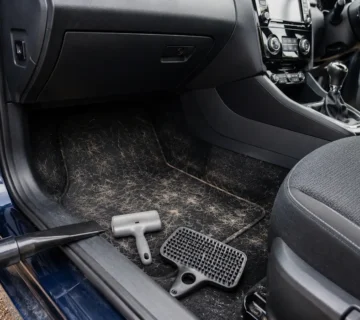
The cab works hard. Tradespeople climb in with dusty boots, wet jackets and dirty hands. Receipts, invoices, packaging, gloves, fixings and drink bottles quickly gather in footwells and door pockets.
A regular interior valet clears the clutter and cleans the areas used most: steering wheel, gear lever, handbrake, dashboard, cup holders, mats, seats and pedals. These touchpoints collect grease, dust and bacteria. A clean cab feels better to drive and helps keep the working day organised.
For tradespeople who spend hours on the road, that matters. A fresh cab reduces stress. It also makes it easier to find paperwork, tools, chargers and job notes. Clean glass improves visibility. Clean vents reduce stale smells. Clean mats help stop dirt from spreading through the vehicle.
A Tidy Load Area Saves Time
The back of a van can become chaotic fast. Offcuts, dust, broken packaging, loose nails, cable ties, screws and dried mud all gather in corners. This makes the load area harder to use and less safe.
Regular van valeting helps tradespeople keep the rear space cleaner and more practical. A clean load floor makes it easier to spot missing parts, dropped fittings and damaged stock. It also helps protect tools and materials from unnecessary dirt.
For anyone carrying customer items, samples, white goods, flooring, carpets or furniture, a clean load area becomes even more important. Dust and grime can transfer onto goods. Regular cleaning helps avoid marks, complaints and awkward conversations.
Clean Vans Support Safer Working
Mess causes problems. Loose items can roll under the pedals in the cab. Greasy mats can make feet slip. Dirty windows reduce vision. Muddy mirrors make lane changes harder. A cluttered dashboard can distract the driver.
A valet helps remove those risks. It keeps the driving area clear, the glass clean, and the controls pleasant to use. This supports safer driving, especially during early starts, dark evenings and wet weather.
The exterior also affects safety. Clean lights, number plates and mirrors help other road users see the van properly. Clean reversing cameras and parking sensors work better. For tradespeople who park in tight driveways, narrow streets or busy sites, that can make a real difference.
Regular Cleaning Helps Preserve Resale Value
A van usually represents a major business cost. Whether bought outright, financed or leased, it needs care. Regular valeting helps protect that investment.
Buyers and leasing companies look closely at the condition. Stained seats, heavy odours, scratched plastics, damaged trims and neglected paint can all reduce value. A van with a clean service history and a clean appearance stands a better chance of achieving a stronger resale price.
Interior care counts as much as exterior care. Dust, plaster and grit can wear fabric, mark plastics and sit in switches. Spills can leave stains and smells. Regular cleaning stops small issues from becoming permanent.
Mobile Van Valeting Fits Around a Busy Trade Schedule
Tradespeople rarely have spare time to queue at a car wash. Mobile van valeting solves that problem. The valet comes to the home, workshop, yard or job location and cleans the van while the business carries on.
This suits sole traders and small fleets. A regular booking keeps every vehicle looking consistent. It also avoids last-minute panic before quotes, inspections, contract visits or lease returns.
A monthly valet works well for many trades. Heavier-use vans may need more frequent cleaning, especially during winter or after site work. Light-use vans may need less, but they still benefit from routine care.
The Bottom Line for Tradespeople
Regular van valeting matters because it protects your image, your vehicle, your tools and your working day. A clean van builds trust with customers, keeps branding visible, makes the cab healthier and helps the load area stay usable. It also supports safety and protects long-term value.
A tradesperson’s van tells a story before the job starts. Keep it clean, and it says the right things: organised, professional, careful and ready to work.