Will Mobile Valeting Remove Mould from My Upholstery?
Yes, professional mobile valeting can remove mould from car upholstery, provided the mould has not caused permanent staining, fibre damage, or deep contamination inside the seat foam. A skilled mobile valet can clean, treat, and sanitise affected fabric, leather, carpets, mats, boot lining, and interior trim at your home or workplace. The result depends on how long the mould has been present, how much moisture remains inside the vehicle, and whether the source of the damp has been fixed.
Mould in car upholstery needs more than a quick wipe. It grows where moisture sits for too long, often after leaks, wet clothing, blocked drains, spilt drinks, poor ventilation, or a car left unused through cold, damp weather. Once mould appears on seats or carpets, spores can spread throughout the cabin, creating a musty smell that returns after ordinary cleaning. A proper mobile valeting service tackles both the visible mould and the conditions that allow it to grow.
How Mobile Valeting Removes Mould from Car Seats
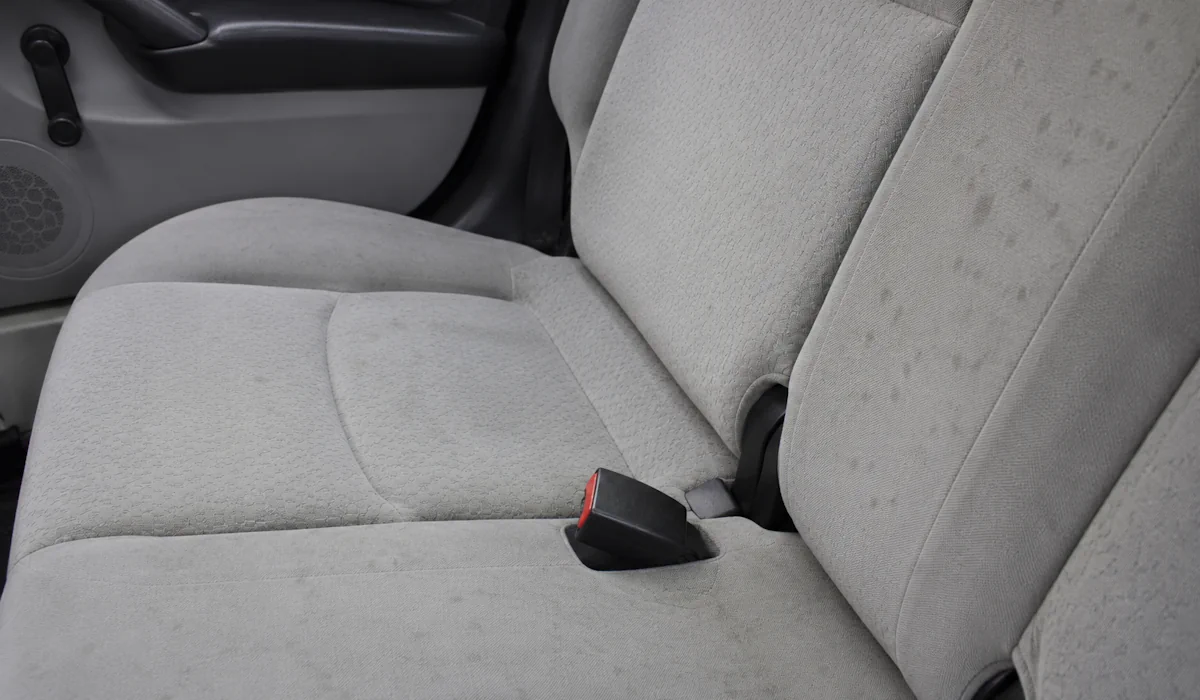
A thorough mould removal valet starts with a careful interior check. The valet looks at the seats, carpets, footwells, seat rails, door seals, boot area, headlining, and ventilation points. This helps identify the worst-affected areas and any signs of trapped damp. Fabric seats often show speckled marks, dark patches, powdery growth or green-white staining. Leather can show surface mould, dull patches, or grime lodged in stitching and creases.
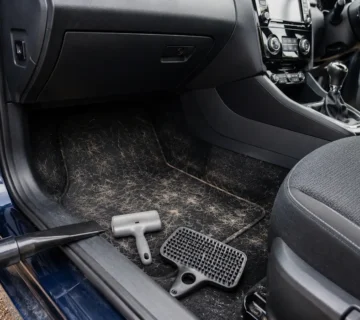
For fabric upholstery, the valet will usually vacuum the area with a suitable machine to lift loose spores, dust, and debris. They then apply a specialist interior cleaner or mould treatment designed for vehicle fabrics. The product loosens organic matter and helps break down the contamination. Agitation with soft brushes works the cleaner into the weave without damaging the material.
Hot water extraction often plays a key role. This process injects cleaning solution into the fabric and extracts dirty water, mould residue, and odour-causing grime. It can make a major difference to seats, carpets, and mats. A good valet avoids soaking the upholstery. Water excess can feed mould again if the car does not dry fully.
Can Mobile Valeting Remove Mould Smell from Upholstery?
In many cases, yes. The musty smell comes from mould growth, damp fabric, bacteria, and stale air inside the cabin. Once the upholstery receives a deep clean, the smell often reduces sharply. For stronger odours, the valeter may use odour neutralisers, steam treatment, air sanitation, or an antibacterial interior treatment.
The smell may return if moisture enters the car. Common causes include blocked scuttle drains, worn door seals, leaking sunroofs, damp carpets, wet boot wells or condensation caused by poor airflow. Valeting removes contamination, but the car must stay dry afterwards. Without that, mould can come back.
Fabric, Leather, and Carpet Mould Need Different Care
Fabric seats need deep cleaning because mould can sit inside the weave. The valuer must treat the surface and extract as much contamination as possible from the fibres. Heavy mould on fabric may leave marks, especially if it has sat for months. Cleaning can remove the growth and improve the look, but old staining may not disappear completely.
Leather needs a gentler method. Strong chemicals can strip colour, dry the surface, or damage protective coatings. A professional will use a safe leather cleaner, soft brushes, and clean microfibre cloths to remove mould from grain, stitching, bolsters, and seams. After cleaning, leather may need conditioning to help restore suppleness.
Carpets and mats often hold the most moisture. Footwells can stay damp long after the seats look dry. A mobile valet may lift mats, inspect the underlay where possible, and extract dirty moisture from the carpet pile. If the underlay has heavy mould or standing water beneath it, the vehicle may need further drying or repair work before cleaning can solve the issue.
Is Mould in Car Upholstery Dangerous?
Mould in a car can irritate the eyes, nose, throat, and skin. It can also make breathing uncomfortable, especially for people with asthma, allergies, or weaker immune systems. A car cabin creates a small enclosed space, so mould spores and musty air can feel much stronger than they would in a larger room.
Do not brush dry mould without proper care. This can spread spores through the vehicle. Do not use household bleach on upholstery either. Bleach can discolour fabric, damage fibres, mark carpets, and create harsh fumes inside the cabin. A proper valeting approach uses products and methods suited to automotive interiors.
When Mobile Valeting May Not Fully Remove Mould
Mobile valeting gives good results. In some cases, it requires extra work. If mould has reached deep-seated foam, soaked underlay, wiring channels, or insulation, surface cleaning may not remove every trace. If water enters the vehicle, mould will return. If the upholstery has suffered long-term staining, the cleaning may remove the growth but leave discolouration.
A severe case may require seat removal, carpet lifting, leak repair, replacement underlay, or specialist drying. A good mobile valet will tell you when the issue goes beyond normal interior valeting.
How to Stop Mould Coming Back After Valeting
After the cleaning, keep the car dry and ventilated. Remove wet coats, towels, umbrellas, and gym bags. Check the carpets after rain. Open the windows slightly on dry days when safe to do so. Use air conditioning regularly. It helps remove moisture from the cabin air. Clean spills straight away and dry the area fully.
If the car has a leak, fix it quickly. Look for damp footwells, wet seat belts, misted windows, water in the spare wheel, or a smell that grows stronger after rain. These signs point to trapped moisture.
So, Will Mobile Valeting Remove Mould from Upholstery?
Yes, mobile valeting can remove mould from upholstery in most cars, especially when the growth sits on the surface or within the fabric fibres. A professional service can clean the affected areas, reduce odours, sanitise the cabin, and improve the condition of seats, carpets, mats, and trim.
The best results come from early treatment. Fresh mould responds far better than mould that has sat for months in damp upholstery. Book a deep interior valet as soon as you notice musty smells, visible spots, or damp fabric. Then deal with the moisture source, because a clean, dry cabin gives mould nowhere to grow.