Can You Wash Your Car in Freezing Weather?
Winter in the UK brings icy mornings, snow, and sub-zero temperatures. Many drivers wonder if washing a car in these conditions is safe. The answer is yes, but only if done correctly. Cold weather creates unique challenges that can damage paintwork, trim, and seals. Understanding the risks and following the right process keeps vehicles clean, protected, and free from winter corrosion.
Why Winter Car Washing Is Tricky
Freezing temperatures change how the water interacts with your vehicle. Water left on panels can freeze almost instantly. Frost on glass and frozen door seals make cleaning more difficult. Using standard washing methods creates scratches, streaks, and even cracked trim.
Salt and grit compound the problem. Every drive on salted roads coats your car in fine particles. Left untreated, these chemicals accelerate corrosion. Washing in freezing weather removes these contaminants, but precautions are essential to prevent new damage.
Common Mistakes Drivers Make
Many drivers attempt winter washing without the right tools or techniques. Common errors include:
- Using household detergents: Harsh chemicals strip wax and protection, leaving paint vulnerable.
- Scrubbing frozen surfaces: Ice or hardened dirt scratches the clear coat when brushed.
- Leaving water to freeze: Pooled water in door seals, wheel arches, or trim causes frost damage.
- Rushing the process: Cold fingers, frozen hoses, or poor lighting lead to skipped steps and incomplete cleaning.
Avoiding these mistakes ensures a winter wash protects rather than harms a vehicle.
When and How to Wash in Freezing Temperatures
Timing is critical. Choose a period when the sun is out, or when temperatures are just above freezing. Avoid washing early or late when ice is likely.
Warm water and heated solutions are ideal. Mobile valeting services use heated water systems that prevent freezing and lift grime. Microfibre mitts, soft brushes, and gentle shampoos protect paint while removing salt and dirt.
Start with a pre-rinse to remove loose grit. Apply a pH-neutral shampoo, working from the top down. Focus on wheel arches, bumpers, and lower panels. Finish with a thorough rinse and dry with absorbent cloths. Drying prevents water from freezing in seams and on glass.
Protecting Your Vehicle After Washing
Washing alone is not enough in winter. Wax or sealant every wash. Protective coatings prevent salt from bonding to paint and minimise scratches.
Wheel arches, alloys, and undercarriage areas deserve special attention. High-pressure rinsing removes trapped grit. Applying a wheel sealant reduces brake dust and protects against corrosion. Door seals and trim can be treated with silicone sprays to prevent frost sticking.
Interior Considerations During Cold Washes
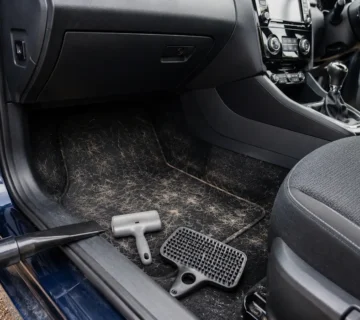
Cold weather can make interior cleaning harder. Moisture enters through open doors or from wet mats. Always dry carpets, mats, and upholstery thoroughly. Removing excess water prevents damp, odour, and mould, which multiply during the winter months. A professional valet ensures interiors are completely dry, even when external temperatures are below zero.
Benefits of Professional Mobile Valeting
Mobile valeting is ideal for winter washing. Professionals bring heated water, specialised products, and complete drying systems to your driveway. They reach hidden areas such as wheel wells, sills, and undercarriage sections that DIY washing often misses.
- Removes salt safely from sensitive surfaces.
- Prevents frost-related scratches with proper techniques.
- Applies protective coatings for a longer-lasting finish.
- Dries thoroughly to prevent ice from forming in crevices.
Regular professional washes reduce long-term corrosion and maintain resale value.
Frequency of Winter Washing
How often to wash depends on driving habits and conditions.
- Urban drivers: Once every two weeks, due to frequent exposure to salted roads.
- Rural or coastal drivers: Weekly washes as mud, grit, and sea air accelerate damage.
- Motorway commuters: Every 10–14 days, removing grime from long drives.
- Garage-kept cars: Even occasional trips on salted roads require a wash every two to three weeks.
Consistency is more important than perfection. Frequent, careful cleaning prevents damage before it starts.
Quick Tips for Safe Winter Washing
- Avoid scrubbing frozen dirt or ice.
- Use pH-neutral shampoos designed for winter conditions.
- Focus on lower panels, wheel arches, and undercarriage.
- Dry immediately with microfibre towels to prevent frost formation.
- Apply wax or sealant after cleaning for extra protection.
Following these tips keeps paint, trim, and wheels safe during harsh weather.
Conclusion
Washing a car in freezing weather is not only possible, it’s essential. Salt, grit, and grime accumulate faster in winter, accelerating corrosion and damage. Done correctly, a winter wash protects paintwork, wheels, and undercarriage while maintaining the car’s appearance.
Professional mobile valeting provides heated water, specialist products, and thorough drying, ensuring safety and quality even in sub-zero temperatures. Regular cleaning, combined with protective coatings, keeps your car ready for every winter drive, clean, strong, and fully protected against the elements.