Protecting Alloy Wheels from Winter Damage – Why Regular Cleaning Matters
Winter is the harshest season for your car’s alloy wheels. Salt, grit, ice, and mud attack the metal. Even minor neglect can leave wheels pitted, corroded, and unsightly. Regular cleaning isn’t just cosmetic; it preserves your vehicle’s value, performance, and safety. Understanding the risks and taking care help keep alloys strong and looking their best.
Why Winter Is So Harsh on Alloy Wheels
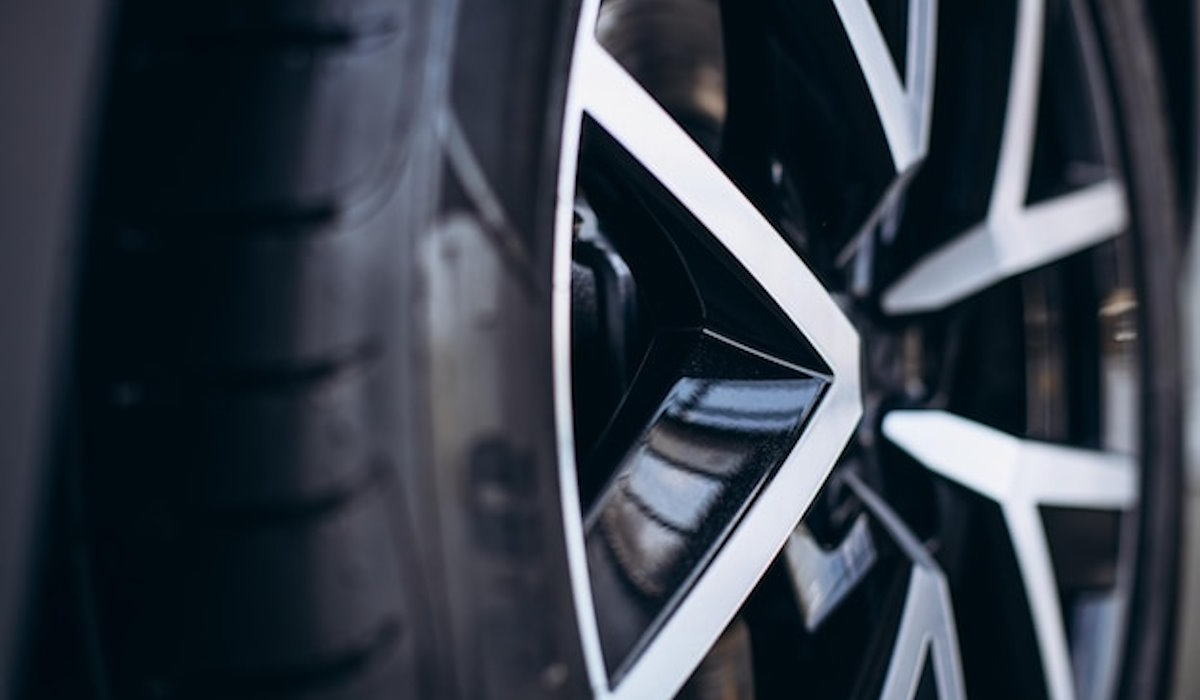
Alloy wheels are exposed on every journey. Winter roads are coated with a mix of road salt, chemicals, and fine grit. Salt corrodes metal and reacts with aluminium alloys, causing pitting. Grit and small stones scratch the surface, eroding protective coatings. At each stop, turn, and brake, this abrasive mixture sprays across the wheel face and behind the spokes.
Brake dust adds another layer of damage. Hot discs deposit fine particles that stick stubbornly to the wheel. Combined with salt and moisture, brake dust accelerates corrosion. By the end of winter, untreated wheels often show rusting around lug nuts, dull finishes, and permanent staining.
The Hidden Areas Most at Risk
Visible damage is only the start. The inner barrel, wheel arches, and bolt holes are more vulnerable than the wheel face. Salt and moisture collect here, remaining trapped for weeks.
- Inner barrels hold accumulated grit and chemicals that slowly eat away at aluminium.
- Wheel arches trap slush and mud against the wheel, worsening corrosion.
- Lug nuts and brake hubs rust, making future removal and maintenance difficult.
Regular cleaning reaches these hidden areas, flushing out corrosive deposits before they compromise structure or performance.
Signs Your Alloy Wheels Need Attention
Early detection prevents long-term damage. Look for:
- Dull or chalky finish on the wheel surface.
- Rust or white deposits around edges and spokes.
- Scratches, chips, or pitting from road debris.
- Sticking or seized wheel nuts due to corrosion.
- Caked brake dust that cannot be removed with simple washing.
Ignoring these signs allows corrosion to progress rapidly. Once aluminium alloys pit, restoration is costly and sometimes impossible.
Choosing the Right Cleaning Method
Winter cleaning requires care. Regular tap water or household detergents damage protective coatings and accelerate corrosion.
- Use pH-neutral wheel cleaners specifically designed for aluminium alloys.
- Soft brushes or microfibre cloths prevent scratches when removing grit and brake dust.
- Separate wheel treatments for rims, spokes, and inner barrels ensure no area is neglected.
- Warm water or heated systems help dissolve salt during freezing conditions.
Avoid aggressive acids or steel brushes; these may remove corrosion temporarily but cause permanent surface damage.
Protection After Cleaning
Cleaning alone isn’t enough. Once alloys are spotless, apply a sealant or wax. These treatments form a barrier against salt, moisture, and grime. High-quality coatings reduce the adhesion of road debris, making future washes quicker and safer.
Professional valeting often includes wheel-specific sealants. They penetrate micro-pores in the metal, protecting against pitting and corrosion. Regular reapplication throughout winter ensures continued protection.
The Benefits of Professional Mobile Valeting
Winter conditions make DIY wheel cleaning challenging. Mobile valeting services bring heated water, specialist cleaners, and expertise directly to your driveway. Professionals can reach hard-to-access areas behind spokes, within arches, and along lug nuts.
A professional valet:
- Removes brake dust and grime safely.
- Flushes hidden salt deposits from the inner barrel.
- Applies protective coatings that last through weeks of winter conditions.
- Dries thoroughly to prevent trapped moisture from freezing.
This approach maintains the aesthetic and prolongs the structural integrity.
Routine Maintenance for Winter Alloys
Consistency is key. Wash alloys every two weeks during heavy road salting. After every long winter journey, a quick rinse removes surface grit before it corrodes. Dry wheels carefully to avoid trapped water in seams and around bolts.
Inspect alloys regularly for scratches or chips. Even minor damage allows salt to penetrate, accelerating corrosion. Consider applying rubber or plastic protectors to brake calipers to reduce dust build-up. Small preventative steps reduce repair costs and keep wheels looking pristine.
Avoiding Costly Repairs
Alloy wheel replacement is expensive. Severe corrosion may mean new wheels or professional refurbishing. Regular winter cleaning is far cheaper and prevents structural weakening. Clean, protected alloys:
- Maintain performance and braking efficiency.
- Reduce the likelihood of tyre and wheel damage.
- Preserve resale value.
- Keep the car visually appealing.
Neglecting this vital maintenance invites long-term, costly damage.
Conclusion
Winter roads are tough on alloy wheels, but consistent cleaning, protective coatings, and professional care prevent corrosion, scratches, and long-term damage. Every wash removes salt, grit, and brake dust before they compromise the metal. A mobile valet ensures hard-to-reach areas are treated, providing complete protection without effort.
Protecting alloy wheels isn’t just about appearance; it’s about safety, performance, and cost-effective maintenance. Keep your wheels clean, coated, and inspected throughout winter, and they will remain strong, shiny, and fully functional for years to come.