Can Ceramic Coating Protect Against Scratches?
Ceramic coatings have become increasingly popular among car owners looking to keep their vehicles in pristine condition. One of the most frequently asked questions is whether ceramic coating can protect against scratches. To answer this, it’s essential to understand what ceramic coating is and how it works.
What is Ceramic Coating?
Ceramic coating is a liquid polymer applied to the exterior of a vehicle. It bonds chemically with the factory paint, forming a protective layer. This layer is designed to shield the car’s surface from various environmental hazards like dirt, water, UV rays, and contaminants. While it doesn’t replace a traditional clear coat, it works as an additional barrier that makes maintaining your car’s appearance far easier.
Understanding Scratch Resistance
Ceramic coatings offer scratch resistance, but it’s crucial to manage expectations. They do not make your vehicle scratch-proof. Instead, they provide a degree of protection that can prevent light scratches, swirl marks, and minor abrasions. This is primarily due to the hardness of the coating, which usually rates between 9H on the pencil hardness scale. This rating indicates that the coating can withstand some light impacts, such as those caused by improper washing techniques or contact with light debris.
What Kind of Scratches Does Ceramic Coating Protect Against?
The key benefit of ceramic coating lies in its ability to minimise light surface scratches. These typically occur during routine washing or drying. Ceramic coating adds a thin, hard layer that helps prevent swirl marks and faint scratches caused by brushes, towels, and other soft contact points. However, deeper scratches caused by sharp objects or heavy impacts will still penetrate through the ceramic coating and damage the underlying paint.
For severe scratches, like those caused by rocks, metal objects, or collisions, the ceramic coating offers no significant protection. In these cases, other protective measures such as paint protection film (PPF) or clear bras should be considered.
Hydrophobic Properties and Scratch Resistance
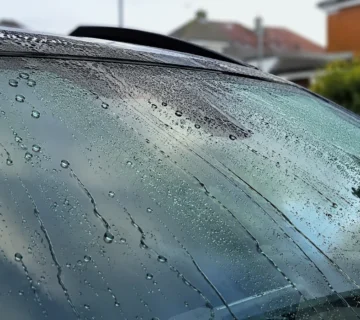
One of the reasons ceramic coatings are touted as being effective at protecting against scratches is their hydrophobic properties. This means that the coating repels water, dirt, and debris, reducing the likelihood of contaminants sticking to the surface. As a result, fewer foreign particles come into contact with the paint, lowering the risk of scratches caused by dirt being dragged across the surface when washing.
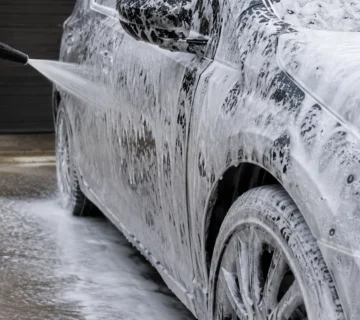
In addition, the hydrophobic nature makes it easier to clean the car without applying too much pressure, which further reduces the risk of introducing light scratches during the cleaning process.
Maintenance and Longevity
The performance of ceramic coatings in scratch prevention is also tied to how well the coating is maintained. Over time, the ceramic layer can degrade if it’s not properly cared for. Regular washing with pH-neutral products and periodic application of maintenance sprays are necessary to ensure the coating retains its protective qualities. Without adequate maintenance, the protective layer can wear down, reducing its ability to prevent surface-level scratches.
Although ceramic coatings have impressive durability, lasting between two to five years, they are not a one-time solution. Regular upkeep is essential if you want to keep your vehicle looking as polished and scratch-free as possible.
Conclusion
Ceramic coatings offer a valuable layer of protection against minor scratches, particularly those caused by day-to-day activities like washing and drying. However, they are not a substitute for more robust protection solutions, such as paint protection film, when it comes to deeper scratches. The primary advantage of ceramic coating lies in its ability to protect against swirl marks, environmental contaminants, and light abrasions while maintaining a high-gloss finish.
In the end, while ceramic coatings can reduce the appearance of light scratches, they are not a foolproof solution for every type of damage. It’s an excellent investment for maintaining a vehicle’s appearance, but it works best when combined with other protective measures and proper maintenance.