How Do Professional Detailers Make Cars Look Like New?
A car never truly returns to factory condition, yet professional detailers come close. They rely on methodical processes, specialist tools, and refined techniques. Each step targets a specific flaw. The result is a finish that looks clean, sharp, and well-kept.
Thorough Pre-Wash and Decontamination
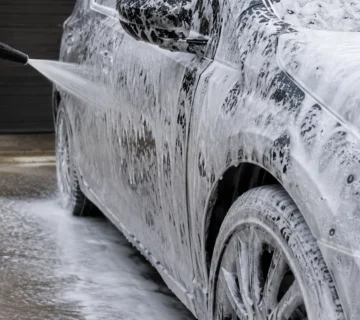
Detailers start with a controlled pre-wash. They apply snow foam to loosen dirt before any contact. This step reduces the risk of scratching the paint.
They rinse the car using pressure washers. This removes loose debris from panels, wheels, and trims. Next comes a two-bucket hand wash. One bucket holds clean water. The other traps dirt. This simple method limits swirl marks.
After washing, they move to chemical decontamination. Iron fallout removers dissolve brake dust. Tar removers break down stubborn road residue. These products pull out particles that standard washing leaves behind.
They finish this stage with a clay bar treatment. The clay glides across the paint, lifting embedded contaminants. The surface becomes smooth and ready for correction.
Paint Correction and Surface Refinement
Paint rarely looks perfect. It collects swirl marks, light scratches, and oxidation. Detailers correct these flaws through machine polishing.
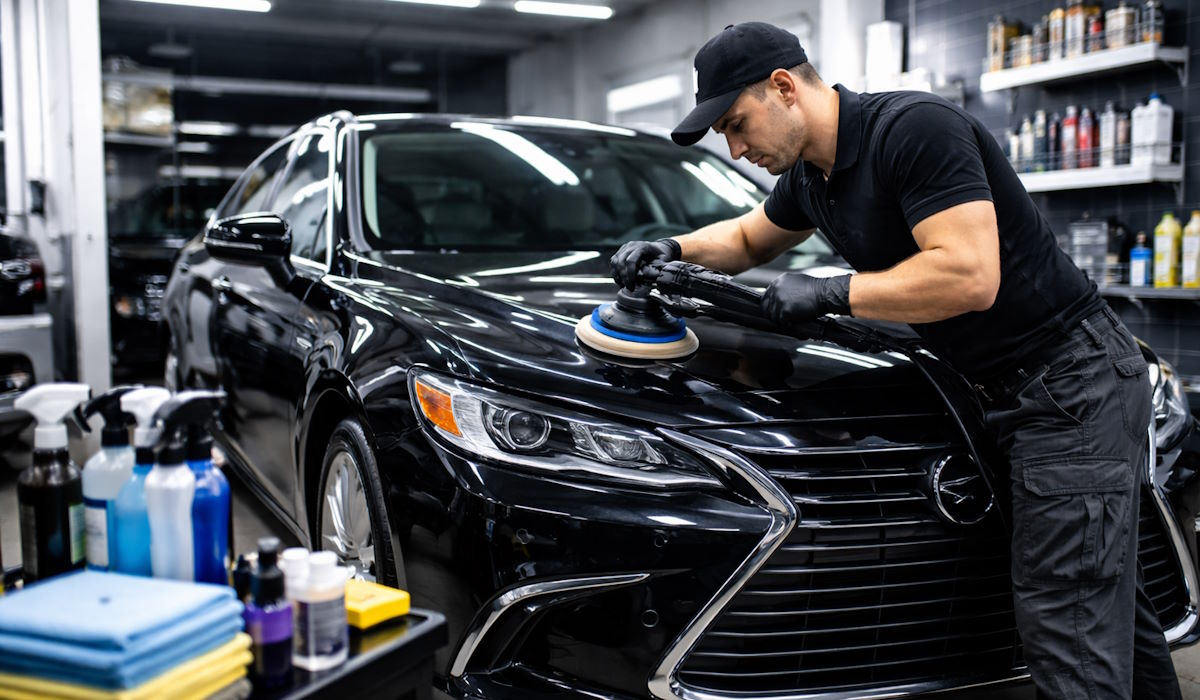
They use dual-action or rotary polishers paired with cutting compounds. These remove a thin layer of the clear coat. This process levels the surface and eliminates defects.
Detailers then refine the finish with finer polishes. This step restores clarity and depth. The paint begins to reflect light evenly.
Precision matters here. Too much pressure or poor technique can damage the paint. Skilled detailers adjust speed, pad type, and compound strength based on the surface condition.
Protection for Lasting Results
Once the paint looks clean and clear, detailers apply protection. This step locks in the finish.
Many use carnauba wax for a warm, glossy look. Others choose paint sealants for longer durability. High-end services often include ceramic coatings. These form a strong, protective layer over the paint.
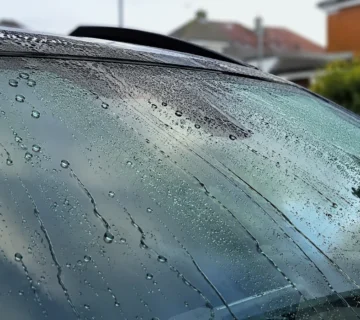
Ceramic coatings resist dirt, water, and UV exposure. They create a hydrophobic surface, which means water beads and slides off easily. This keeps the car cleaner for longer.
Protection extends beyond paint. Detailers treat wheels, tyres, metal trims, and plastics to maintain appearance and prevent fading.
Interior Deep Cleaning and Restoration
A clean exterior means little without a fresh interior. Detailers treat the cabin with equal care.
They begin with a full vacuum. This removes loose dirt from carpets, seats, and tight areas. Then they use steam cleaners or extractors for deep cleaning. These tools lift embedded grime and stains.
Leather surfaces are cleaned gently, then conditioned. This keeps the material soft and prevents cracking.
Plastic, vinyl, and glass surfaces are cleaned and finished for a natural look and clear visibility.
Odour removal often completes the process. Detailers use odour-neutralisers or ozone treatments to eliminate odours at the source.
Attention to Small Details
The difference shows in the small areas. Detailers clean door jambs, fuel caps, and badges. They use brushes to reach tight gaps. Detailers remove dust from vents and controls.
They inspect the car under proper lighting. This reveals missed spots and ensures consistency. Every surface receives attention, no matter how small.
This care ensures a consistent, well-kept finish.
Tools and Products That Set Professionals Apart
Professional results depend on proper equipment. Detailers invest in high-quality polishers, premium compounds, and specialised brushes. They select products based on paint type, surface condition, and desired finish.
They avoid harsh chemicals. Instead, they use balanced formulas that clean without damage. Microfibre cloths play a key role. They trap dirt and reduce friction on delicate surfaces.
Consistency matters. Professionals follow structured steps. They do not rush. Each stage builds on the last.
Consistent Maintenance After Detailing
A detailed car still needs regular care to preserve its condition.
Owners who follow these steps preserve the work done during detailing. The car stays cleaner and holds its shine longer.
The Final Result
Professional detailers restore vehicles through precision, care, and structured technique, correcting flaws and protecting all surfaces.
The result is a car that looks refreshed, with paint that shines and an interior that feels well-kept.
This transformation comes not from one product, but from a complete, skilful process at every stage.