When Is the Best Time of Year for Ceramic Coating?
Applying ceramic coating at the right time of year can dramatically improve its performance and longevity. The process relies on a clean, dry surface and stable temperatures to bond effectively with the paint. Choosing the optimal season ensures the coating cures properly, provides maximum protection, and maintains a flawless finish.
Ideal Temperature and Humidity Conditions
Ceramic coatings cure through a chemical reaction that requires moderate temperatures. Most professional products perform best between 15°C and 25°C. If the surface is too cold, the coating may not bond. Excessive heat can cause streaking, flash curing, or reduced durability.
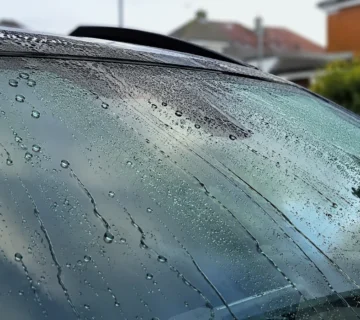
Humidity also affects curing. High moisture levels introduce water spots under the coating. Aim for low to moderate humidity, ideally on a clear day with stable conditions. Avoid applying in heavy rain, fog, or early morning dew.
Spring: A Popular Choice
Spring offers a favourable balance of warmth and mild weather. Temperatures are generally stable, and cars are free from winter salt and grime after a thorough wash. Spring is perfect for removing any road debris, tar, or oxidation accumulated over the winter. A spring application gives the coating a full season to protect the paint from pollen, bird droppings, and UV exposure.
Summer Considerations
Summer provides warm conditions that accelerate curing. However, direct sunlight can overheat the paint surface, causing the coating to flash cure before leveling. To prevent streaks or marks, apply in the early morning or late afternoon, ideally in shaded areas. Regular summer application ensures the paint remains shielded from intense UV rays, tree sap, and dust.
Autumn: Preparation for Winter
Autumn is best for protecting the car before harsh winter conditions. Roads in the UK often carry grit, salt, and debris that damage paintwork. Applying ceramic coating in autumn creates a durable barrier that repels road salt, grime, and water, reducing the risk of corrosion. Ensure the car is fully cleaned of leaves, sap, and pollen before coating to achieve optimal adhesion.
Winter Application Challenges
Winter presents several obstacles. Cold temperatures slow curing, and moisture from rain or frost can compromise the coating. Indoor environments require control of temperature and humidity, which increases cost and effort. Despite this, a winter coating is possible if applied in a heated garage or professional facility, offering protection during the season of salt and wet roads.
Pre-Application Preparation
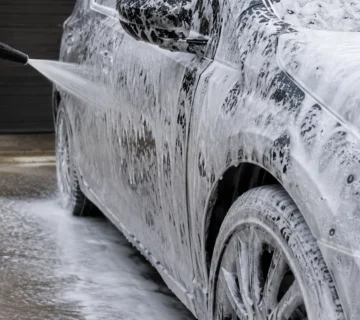
Regardless of the season, preparation is critical. Start with a thorough wash and clay bar treatment to remove contaminants. Any scratches or swirl marks should be polished out, as the coating will lock imperfections in place. Once the surface is pristine, wipe with isopropyl alcohol to remove oils before application. Proper prep maximises longevity and ensures a flawless, glossy finish.
Long-Term Benefits
Ceramic coating shields paint from UV rays, chemical etching, water spots, and light scratches. It reduces cleaning and makes dirt, grime, and pollutants easier to remove. Applying at the right time of year ensures maximum bonding and longevity, allowing your car to retain its showroom shine throughout changing seasons.
Applying ceramic coating when conditions are stable, temperatures are moderate, and the vehicle is fully prepared guarantees the best protection and finish. Whether spring, summer, or autumn, careful planning and professional attention ensure the coating performs optimally, preserving your car’s appearance and value.