Should You Wash Your Car in Cold Weather?
Cold Weather Does Not Mean Dirty Cars Win
Winter roads punish cars. Grit, salt, mud, and moisture cling to paint, wheels, and arches. Leaving that build-up through cold months shortens paint life and speeds corrosion. Washing a car in cold weather remains not only acceptable but essential when done with care.
Cold air alone does not damage a vehicle. Poor technique does.
Road Salt Creates Real Damage
Salt spreads across roads to improve grip. It also eats metal. It settles behind wheels, inside arches, and under door seals. Once moisture joins in, corrosion begins.
Regular washing removes this residue. Skipping washes through winter allows salt to sit for weeks. That causes bubbling paint, rusted fasteners, and weakened brake components.
Cold-weather cleaning prevents long-term harm.
Freezing Temperatures Change the Method
Temperature controls how you wash. When conditions drop near freezing, timing and process matter.
Wash during the warmest part of the day. Avoid early mornings and evenings. Use lukewarm water, not hot. Hot water on frozen panels stresses paint and glass.
Keep movements efficient. Do not allow water to sit.
Water Control Becomes Critical
Standing water freezes fast. Door shuts, mirrors, locks, and fuel flaps trap moisture.
Dry these areas immediately. Use clean microfibre cloths. Open doors briefly to wipe seals. Pay attention to boot edges and number plate surrounds.
This habit prevents frozen locks and cracked seals.
Paintwork Benefits From Winter Washing
Many drivers fear swirl marks during winter. Dirt does increase risk. The answer lies in preparation.
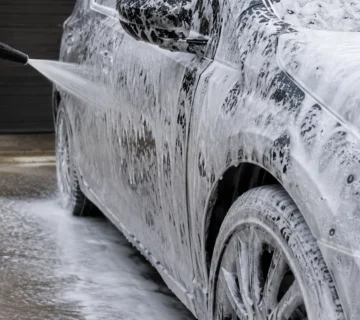
Rinse thoroughly before contact. Remove loose grit first. Use snow foam to lift grime. Then wash gently using straight lines.
A clean surface resists damage better than a dirty one left untouched.
Wheels and Brakes Need Extra Focus
Brake dust mixes with salt to form a harsh compound. Left unchecked, it corrodes alloys and calipers.
Wash wheels every time. Clean behind spokes. Rinse brake components lightly. Avoid harsh chemicals in cold weather.
Clear wheels improve appearance and function.
Automatic Car Washes Carry Risks
Cold weather sends many drivers to automatic washes. These machines work fast. They also grind dirt into paint and can miss critical areas.
Spinning brushes damage finishes. Underbodies often receive little attention. Salt remains where it matters most.
Hand washing delivers control and precision.
Interior Moisture Builds Fast in Winter
Wet shoes, rain, and snow increase interior moisture. This leads to misted windows and stale odours.
Dry mats after washing. Vacuum carpets. Wipe door sills. Keep seals clean to reduce water transfer.
A clean exterior supports a healthier interior.
Common Winter Washing Mistakes
- Washing in freezing temperatures
- Leaving water on seals and locks
- Using hot water on cold panels
- Skipping wheel arches
- Rushing drying
Avoid these, and winter washing stays safe.
Protection Helps Through Cold Months
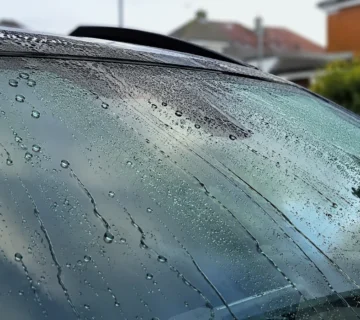
Wax and sealants act as barriers. They repel water and reduce salt adhesion. Applying protection before winter makes ongoing cleaning easier.
A protected surface sheds grime fast and dries quickly.
Summary: Clean Cars Last Longer in Winter
Cold weather does not excuse neglect. Washing your car during winter can protect paint, wheels, and structural parts. The right method avoids freezing issues and damage.
Many owners use professional support during colder months. A trusted mobile car valet offers safe washing, proper drying, and winter protection without risk. Professional car valeting keeps vehicles clean, protected, and reliable through harsh conditions.