Will a Valet Damage My Parking Sensors, Cameras or ADAS?
Modern cars come equipped with parking sensors, reversing cameras, and advanced driver assistance systems (ADAS). These features rely on delicate sensors and lenses positioned around the bodywork. Understandably, many owners worry that a professional valet could harm or interfere with this technology. In practice, when carried out correctly, valeting does not damage sensors or cameras. Skilled cleaners use products and techniques that preserve the finish of the vehicle and the integrity of its safety systems.
How Parking Sensors React to Cleaning
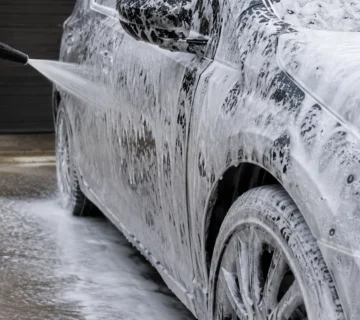
Ultrasonic parking sensors are usually positioned within bumpers. They are designed to withstand rain, dirt, and pressure from car washes. During a valet, professionals use low-pressure rinses and soft brushes to clear grime without forcing water into the sensor housing. Products are carefully chosen to avoid leaving residues. If dirt has built up, the sensor is gently wiped with a clean microfibre cloth. This ensures they remain responsive without risk of scratching the surface.
Protecting Reversing Cameras
Reversing cameras are exposed to the elements and often collect road spray, salt, and mud. A valet service restores clarity by using safe lens cleaners similar to those used on eyeglasses or camera lenses. Abrasive products are avoided, as these could scratch the protective cover and blur images. Some cameras are mounted near number plates, making them vulnerable to road grime. Careful cleaning restores visibility, improving both function and safety.
Cleaning Around ADAS Systems
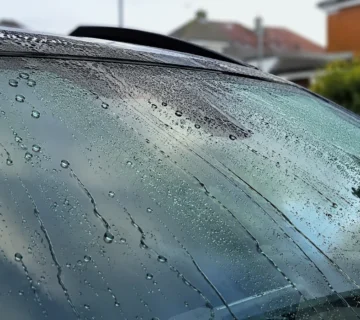
Many modern cars include radar and lidar sensors that power adaptive cruise control, lane assist, and emergency braking. These are usually mounted in grilles, bumpers, or behind windscreens. Professional valeters understand their sensitivity. Instead of blasting them with pressure washers, they apply gentle rinsing methods and non-abrasive cleaners. Windscreen housing forward-facing sensors are polished with streak-free products, ensuring accurate detection once the car is back on the road.
Use of Correct Products and Methods
Professional valeters avoid harsh chemicals that could leave residue on sensors. Instead, they use pH-neutral shampoos, safe degreasers, and quick detail sprays. Microfibre towels prevent scratches on delicate plastic covers and camera lenses. Controlled water pressure ensures no moisture is forced behind seals. This careful approach guarantees that your car’s driver assistance systems remain unaffected.
Preventing Long-Term Issues
Neglecting these systems is more likely to cause problems than cleaning them. Dirt, salt, and insects can block sensors, leading to false alerts or reduced accuracy. A professional valet keeps sensors clear, cameras sharp, and ADAS systems reliable. Rather than causing harm, valeting actually maintains their performance and prevents build-up that could impair function.
Why Choose a Professional Mobile Service
Choosing mobile valeting ensures your car is cared for by trained hands at your home or workplace. These services are familiar with modern technology and take extra precautions to safeguard sensors, cameras, and electronics. They also apply protective coatings that make future cleaning easier and reduce the risk of grime build-up around sensitive components.
Conclusion
A valet carried out by trained professionals will not damage parking sensors, cameras, or ADAS. With the right tools and knowledge, these systems are cleaned safely and kept in optimal working order. Far from being a risk, professional valeting supports the long-term reliability of your vehicle’s most important safety features.