Should I Get My Car Polished Before Applying Ceramic Coating?
Ceramic coating is one of the best ways to protect a car’s paint, but preparation is key. A flawless surface ensures the coating bonds properly and lasts as long as possible. Polishing before application is highly recommended, especially if the paint has minor imperfections.
Why Polishing Matters Before Ceramic Coating
Ceramic coating does not hide paint defects. It locks in whatever is underneath, whether swirl marks, scratches, or oxidation. If the paint is in poor condition, the coating will highlight every flaw rather than improve the finish. Polishing removes imperfections, creating a smooth, defect-free surface that allows the coating to bond properly.
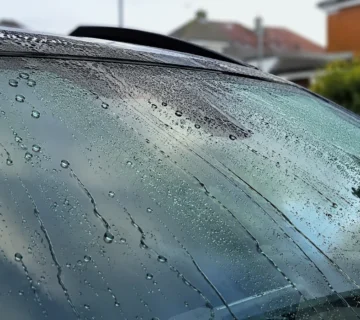
A polished surface enhances gloss, making the ceramic coating look even better. The coating provides a deep shine and hydrophobic properties, but its effectiveness depends on the quality of the surface it bonds to.
What Happens If You Skip Polishing?
Applying a ceramic coating to uncorrected paint leads to disappointing results. Problems include:
- Trapped imperfections – Scratches, swirl marks, and oxidation will remain visible.
- Reduced durability – A rough surface prevents the coating from bonding properly.
- Patchy finish – The coating may not adhere evenly, leading to inconsistent protection.
- Lower gloss levels – The car will not have the deep, mirror-like shine that ceramic coatings are known for.
How to Prepare Paintwork for Ceramic Coating
Before applying ceramic coating, the surface must be clean, decontaminated, and polished if necessary. The preparation process includes:
1. Washing and Decontaminating the Surface
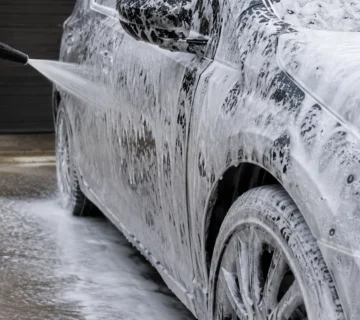
Use a pH-neutral shampoo to remove all dirt, grime, and road contaminants. A clay bar treatment will extract any embedded particles that a wash cannot remove.
2. Inspecting the Paintwork
Examine the surface under bright lighting to check for scratches, swirl marks, oxidation, or water spots. Polishing is essential before applying the coating if imperfections are present.
3. Polishing for a Flawless Finish
Paint correction is a multi-stage process. The level of polishing required depends on the condition of the paint:
- Light polishing – Removes minor swirl marks and enhances gloss.
- Medium correction – Targets deeper swirls, light scratches, and slight oxidation.
- Full correction – A multi-step process that restores heavily damaged or faded paint.
4. Wiping Down the Surface
After polishing, use an isopropyl alcohol (IPA) wipe-down to remove polishing oils, dust, and residue. It ensures the ceramic coating bonds directly to the paint without contamination.
Does a Brand-New Car Need Polishing?
Even new cars often require polishing before ceramic coating. Factory paint processes can leave imperfections, and dealership washing methods cause swirl marks. A light polish removes these defects, ensuring the best possible finish before sealing the paint with ceramic coating.
The Final Verdict: Always Polish Before Coating
For the best results, polishing is essential before applying a ceramic coating. It ensures maximum adhesion, long-lasting protection, and the highest possible gloss. Whether the car is new or used, proper preparation makes all the difference in the durability and appearance of the coating.