Is Pressure Washing Your Car Always a Good Idea?
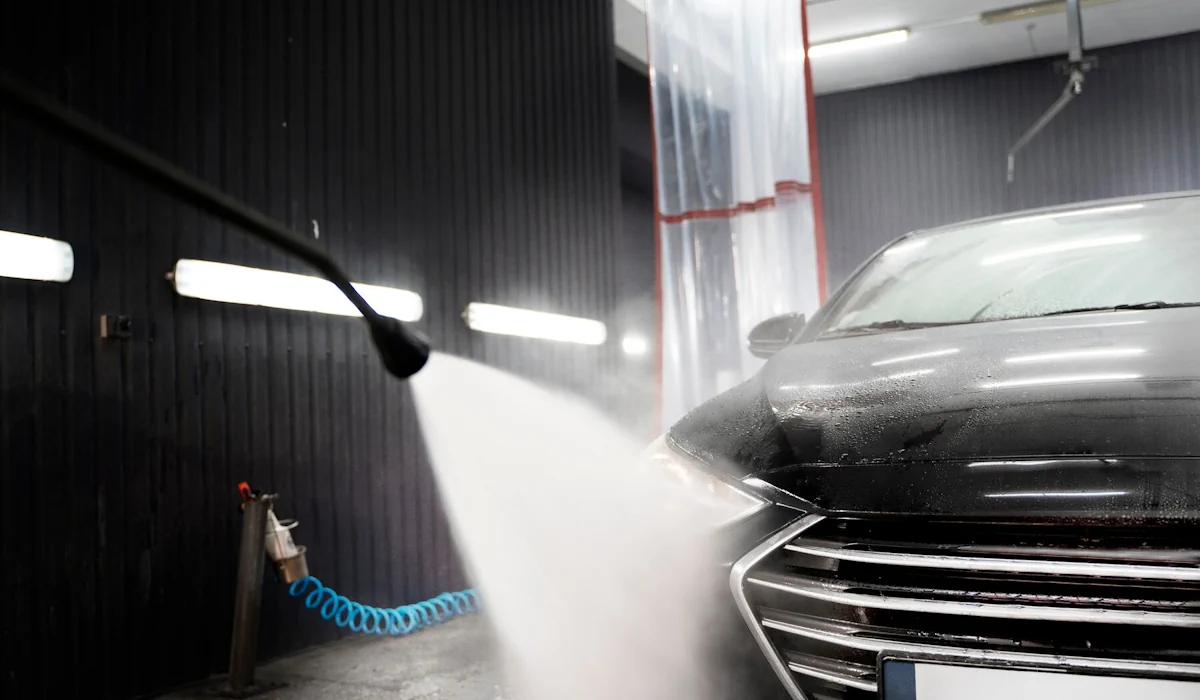
Pressure washing removes dirt, grime, and road salt quickly. But it’s not always the best choice. It can strip wax, damage paint, and force water into sensitive areas if not used correctly. Understanding when and how to use a pressure washer safely prevents costly repairs and keeps your car’s finish in top condition.
High Pressure Can Damage Paintwork
Modern car paint has a protective clear coat, but high-pressure water can strip this layer over time. If the pressure is too high or held too close, the force of the water chips paint peels protective coatings and exposes metal surfaces. It leads to rust, corrosion, and long-term damage.
Older cars or vehicles with existing scratches and weak paint are at even greater risk. Water seeps into small cracks and causes peeling, making repairs more expensive. Using a pressure washer at lower settings with a wide-angle nozzle reduces the risk, but extra care is always needed.
Risk of Water Penetration into Seals and Electrical Components
A car’s electrical systems, door seals, and engine bay won’t withstand high-pressure water. Spraying too close to door gaps, vents, or under the bonnet forces water into sensitive areas. It can lead to electrical faults, rust inside door panels, and moisture build-up in places that should remain dry.
Directing a pressure washer at headlights, window trims, and sensor housings weakens seals over time. It allows water to seep, causing foggy headlights, failing sensors, and interior dampness. Always keep the nozzle at least a metre away from these areas and use a gentle spray setting to avoid issues.
Stripping Wax and Sealants
A well-maintained car has wax layers or ceramic coating that protects the paint. Pressure washing at high force removes these protective layers. It leaves the surface exposed to UV rays, acid rain, and road contaminants. Even if the paint looks clean after a wash, the lack of protection leads to dullness and fading over time.
Always use a lower-pressure setting and a wide spray pattern to protect wax. Avoid directing water at close range, as this quickly breaks sealants and paint protection films. Applying a fresh coat of wax after pressure washing restores lost protection and prevents paint deterioration.
Damage to tyres, Brake Components, and Undercarriage
You should never blast tyres and brakes with high-pressure water. Directing a strong stream at the sidewalls or tread weakens rubber over time, leading to cracks and loss of grip. Water forced into the brake discs and callipers causes premature rust and reduces braking efficiency.
The undercarriage of a car benefits from a gentle rinse, especially after winter when salt and grime build-up. However, aiming a high-pressure nozzle directly at suspension components or exhaust systems forces water into bushings, bearings, and joints, leading to accelerated wear and rust formation.
Safe Ways to Use a Pressure Washer on Your Car
Pressure washing can be safe if done correctly. Using the correct settings, distance, and technique minimises damage while achieving a deep clean.
- Use a pressure setting below 1,500 PSI. High-pressure models designed for patios and driveways are too strong for car paint.
- Hold the nozzle at least 1 metre away from the car’s surface. Getting too close increases the risk of scratches, paint peeling, and water penetration.
- Use a wide-angle nozzle (25 to 40 degrees). It spreads the water pressure evenly, reducing the impact on sensitive surfaces.
- Avoid spraying directly into panel gaps, sensors, vents, and trims. Instead, use a gentle stream to wash dirt away without forcing water into sealed areas.
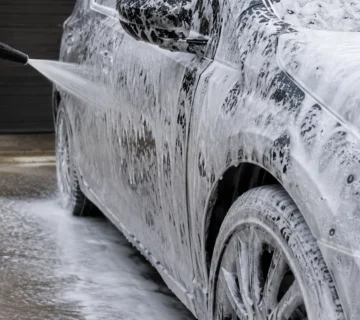
- Pre-rinse with a foam cannon or gentle spray first. It loosens dirt, reducing the need for high-pressure scrubbing that can scratch paint.
- Dry the car properly using a microfibre cloth or air blower to prevent water spots and streaking.
Final Thoughts
Pressure washing is a convenient way to clean a car, but it’s not always the best choice. It strips protective coatings, weakens seals, and damages paint if not used correctly. By using lower pressure settings, keeping a safe distance, and avoiding sensitive areas, you can keep your car clean without causing harm.