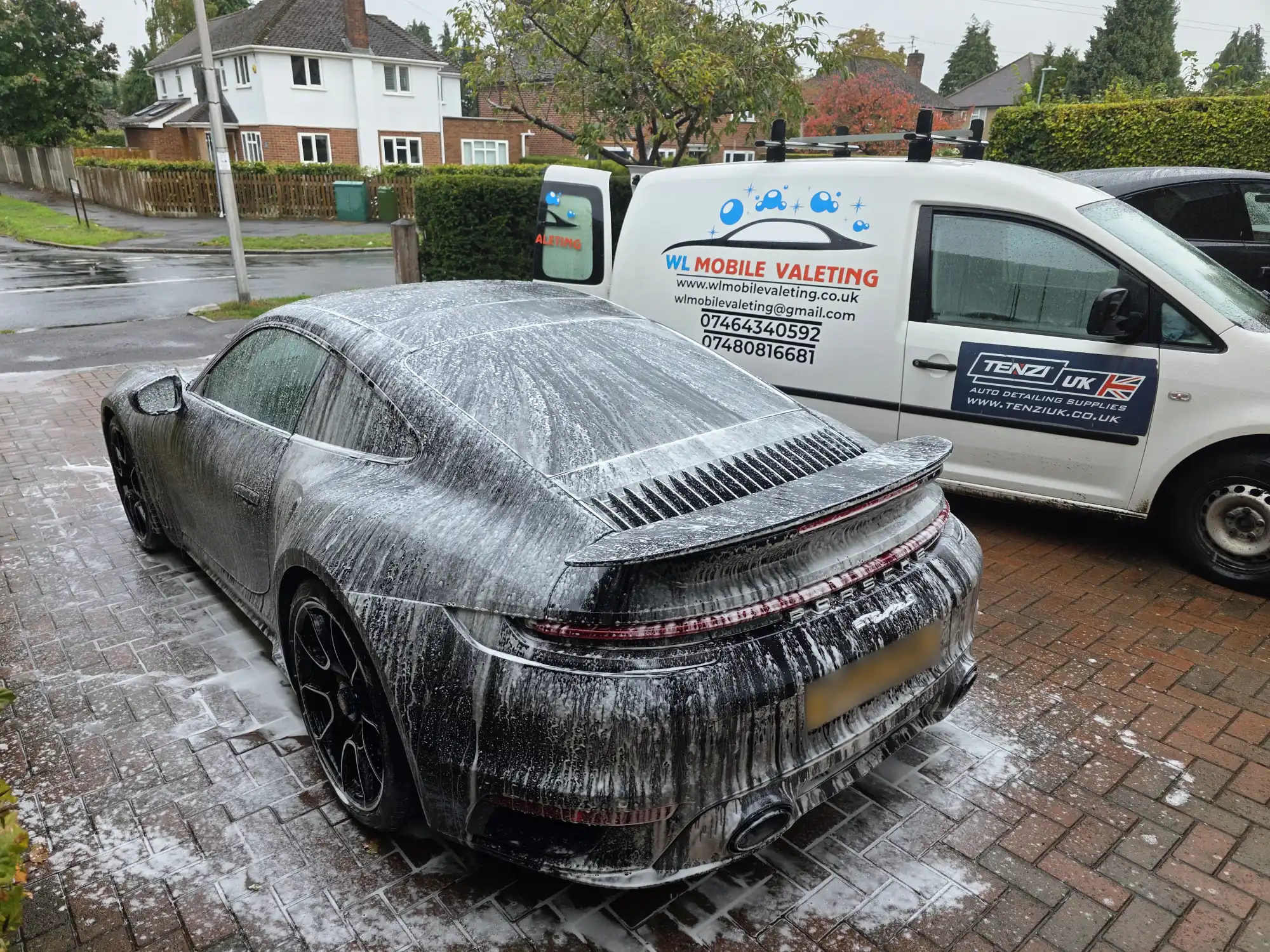
Car valeting is one of the most essential processes for car owners to keep their vehicles clean and maintain their value in the market. To restore and enhance the appearance of a car, you can do two things: DIY (do it yourself) or let the professional do their job. However, there are a few steps which you or the professionals have to take to complete the process.
Step 1: Exterior Pre-Wash
The first step in car valeting is to pre-wash the vehicle’s exterior. It involves rinsing the car with water to remove loose dirt and debris. A pressure washer or hose can be used for this purpose. Pre-washing helps minimise the risk of scratching the paint during the subsequent cleaning.
Step 2: Hand Washing
Once the pre-wash is complete, it’s time to perform a thorough hand wash of the vehicle. The entire exterior surface of the car is washed using a specialised car shampoo and a wash mitt or sponge. This step removes any remaining dirt, grime, and contaminants.
Step 3: Wheel and Tire Cleaning
After the car’s exterior has been thoroughly washed, attention is turned to the wheels and tires. A separate wheel cleaner removes brake dust, dirt, and grease from the wheels. Various brushes and detailing tools are employed to clean the intricate areas of the wheels.
Step 4: Decontamination
To achieve a truly polished finish, it is essential to decontaminate the car’s exterior. It involves using specialised products such as a clay bar or iron fallout remover to remove bonded contaminants like tar, tree sap, or industrial fallout. Decontamination helps create a smooth surface and prepares the car for further detailing processes.
Step 5: Paint Correction
A paint correction process may be required if the vehicle’s paintwork has imperfections such as swirl marks, scratches, or oxidation. Paint correction involves using machine polishing techniques and abrasive compounds to restore the clarity and shine of the paint.
Step 6: Polishing and Waxing
Once the paint has been corrected, the next step is to polish it to enhance its gloss and shine. A high-quality polishing compound is applied using a machine polisher to achieve a smooth and lustrous finish.
Step 7: Interior Cleaning
While the focus thus far has been on the car’s exterior, the interior also requires attention. The internal cleaning process typically involves vacuuming the seats, carpets, and floor mats to remove dust, dirt, and debris.
Step 8: Glass and Mirror Cleaning
All windows, mirrors, and glass surfaces are thoroughly cleaned to ensure clear visibility. Specialised glass cleaners are used along with microfiber towels to remove smudges, streaks, and fingerprints.
Step 9: Final Touches
To complete the car valeting process, a final inspection is performed to ensure that all areas of the vehicle have been adequately cleaned and detailed. Any remaining imperfections are addressed, and any overlooked areas are given attention.
Conclusion
A typical car valeting process involves several steps, each designed to restore and enhance the appearance of a vehicle. From pre-washing and hand washing to paint correction and interior cleaning, attention is given to every aspect of the car. Following this step-by-step guide, you can achieve a beautifully detailed car that looks and feels its best.